
Exercise may be linked to lower breast cancer risk in teenagers
Teen girls who exercised at least two hours a week had biological markers associated with lower future breast cancer risk, a study found.
Teen girls who exercised at least two hours a week had biological markers associated with lower future breast cancer risk, a study found.

Opioids are important for treating pain in breast cancer, but they may also affect how cancer grows, according to a recent review.
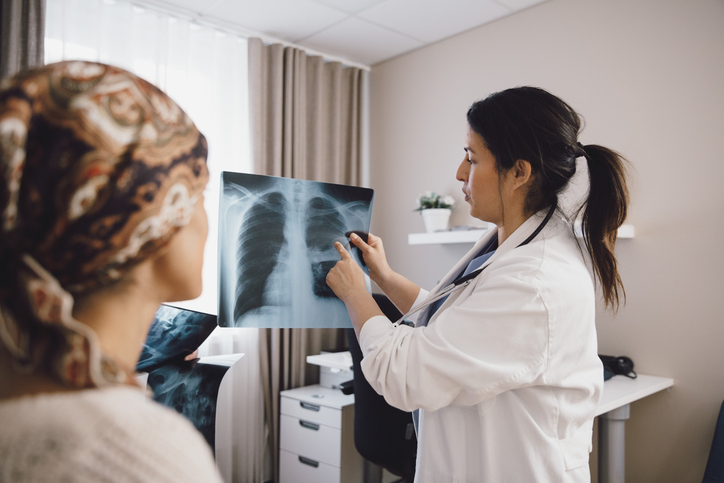
An experimental drug has shown early promise in animal models to potentially treat triple-negative breast cancer.

Atossa Therapeutics received FDA permission to begin their dose-escalating study of (Z)-endoxifen in patients with metastatic breast cancer.

Women who are overweight or obese or who gain weight throughout their lives may face a higher risk of developing breast cancer.

A new DNA-based treatment has shown early promise and works by removing a cancer-driving protein instead of blocking it.

A recent study analyzed online posts to understand the barriers men with breast cancer face and how they could be minimized.

Learn more about how immune checkpoint inhibitors are being utilized to treat triple-negative breast cancer.
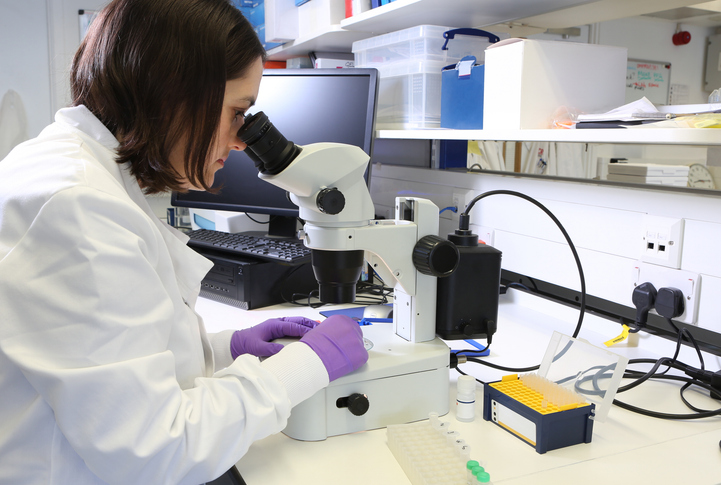
Monitoring tumor-infiltrating lymphocytes and tumor budding may help predict outcomes and guide treatment in breast cancer.

A recent study found that while many factors are indicative of breast cancer survival, early diagnosis is key to improving outcomes.