
Wearable devices linked to faster recovery after breast cancer surgery
Dynamic feedback from a wearable device after breast cancer surgery led to a faster return to baseline activity level for patients.
Dynamic feedback from a wearable device after breast cancer surgery led to a faster return to baseline activity level for patients.

A study showed marital and parental status influenced psychological distress, social support and recovery in women with breast cancer.

In a recent review, researchers detailed the risks and benefits of menopausal hormone therapy for breast cancer survivors.
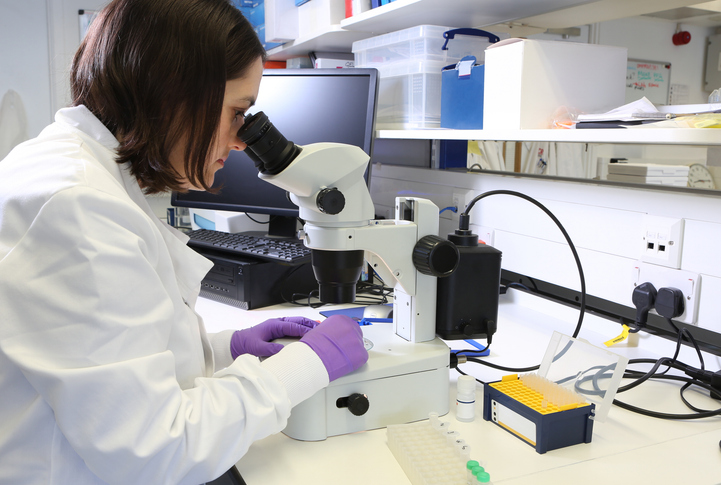
A recent review detailed the mechanisms and applications of numerous classes of drugs designed to treat breast cancer.

A recent study showed high-fat conditions changed breast tumor structure, making cancers more invasive without increasing growth rate.
A new meta-analysis shows supervised, combined aerobic and resistance training provides the best outcomes for breast cancer patients.

Personalized nutrition therapy may play a significant role in future breast cancer prevention and treatment, researchers wrote.

Atirmociclib significantly reduced the risk of disease progression or death in patients with advanced and metastatic breast cancer.

Surgery delays were significantly more common among Black and Hispanic women and those living in disadvantaged neighborhoods.

The device, known as Claire, has become the first AI-enabled system approved for real-time assessment of tumor margins during breast surgery.

