
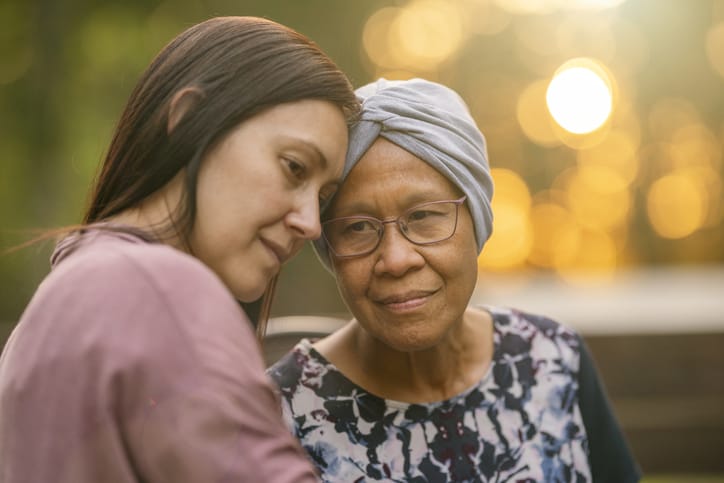

We often think of breast cancer as solely the patient’s burden, but the impact extends to others on this journey as well. Breast cancer touches not just the patient; it also affects the husband caring for his wife and the father caring for his daughter.
Each caregiver faces unique challenges shaped by the patient’s specific circumstances and needs. The following tips may offer practical help for caregivers during this time.
Strength for the strong
Anyone can be a caregiver, and we all need support during tough times. Breast cancer is no different. Caregivers often absorb the patient’s emotions, sometimes becoming a buffer without noticing. It takes strength to endure cancer, but also to support someone facing it. Caregivers need resilience as they help loved ones through illness.
It’s O.K. to find your own release when you are feeling weak and overwhelmed. Remember, every strong person needs a strong person.
Physical overload or strain
There may be times when breast cancer is not the patient’s only diagnosis. If this diagnosis has been given to someone with mobility issues, there may be times when a patient needs physical assistance.
For the caregiver, this can be difficult if the patient needs to be moved and is heavier than what they can lift. Even if the patient is physically able and mobile, it may be the caregiver who has some physical issues of their own. Preplanning when you may need extra help or a pair of hands always makes things easier.
Learn more about breast cancer treatment and care
Mental exhaustion
Caregivers are good at adapting to whatever each day brings. Sometimes that means helping with bills or making sure daily life keeps running smoothly. Managing appointments, basic needs and the patient’s mental health can be exhausting, but caregivers keep going.
Be sure to pay attention to your loved one’s mental health. It’s easy to feel overwhelmed or even depressed when dealing with illness. Depression could have an adverse effect on healing and recovery.
Anticipated grief
When a patient’s health declines, caregivers often start grieving before others do. They understand what’s coming and begin to prepare. This can be very hard, but it’s also a chance to say what matters most and make new memories together. As you make new memories, don’t forget to relive the good memories you’ve already made. It can be a gift to both of you to ask your loved one what would bring them comfort regarding their legacy and how you can best support their wishes.
Caregivers are special; they embody sacrifice, but they carry their own journey. Most caregivers outside of the medical profession become caregivers because they unconditionally love the family, friend and patient. Most times, they fill that spot even though they have their own lives to live.
We owe a worldwide thank-you to those who take on the challenge of being a caregiver. Physical strain, mental exhaustion and anticipated grief are enough to decide not to be a caregiver, and those are all the same reasons why someone else would.
Sign up here to get the latest news, perspectives, and information about breast cancer sent directly to your inbox. Registration is free and only takes a minute.

