
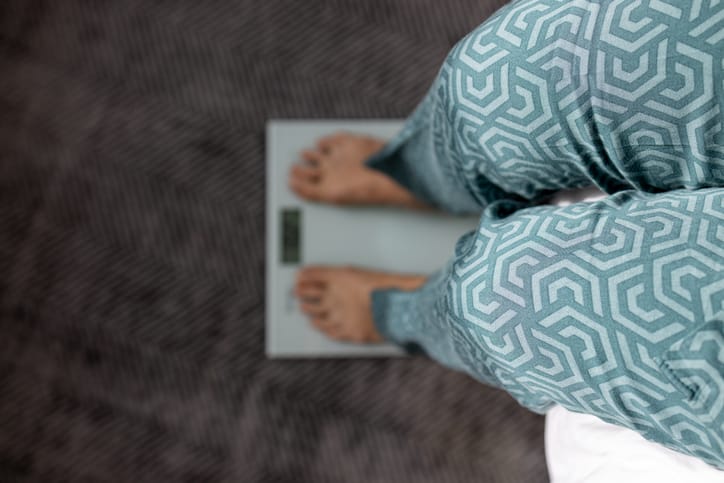
Many people expect to lose weight during cancer treatment, but for those undergoing treatment for breast cancer, the opposite is often true. Weight gain during breast cancer care is common, with studies finding it affects 50 to 96% of people with the disease.
This can feel confusing and frustrating, especially when you’re already coping with major physical and emotional changes. Understanding why it happens can help you approach weight changes with more compassion and identify practical steps that may help.
Why weight gain happens during breast cancer treatment
Several factors related to breast cancer therapies can contribute to weight gain. Often, it’s not caused by a single issue but by a combination of treatment effects and lifestyle changes during recovery.
Hormone therapy
Treatments that lower estrogen levels, such as aromatase inhibitors or medications that block hormone signaling, can slow metabolism and increase fat storage. These medications may also cause joint pain and fatigue, making physical activity harder.
Learn more about breast cancer treatment and care
Chemotherapy
Chemotherapy can trigger metabolic changes and sometimes lead to increased appetite. At the same time, side effects like fatigue, nausea or neuropathy can reduce activity levels, which may contribute to weight gain.
Steroids
Doctors sometimes prescribe these drugs alongside chemotherapy to help prevent nausea or allergic reactions. Steroids can increase appetite and cause the body to retain fluid.
Lymphedema
During some breast cancer surgeries, lymph nodes may need to be removed, which can cause lymphedema, a condition in which fluid builds up in areas such as the arm, hand, chest or other parts of the body. The resulting swelling can make both everyday tasks and exercise more difficult.
Potential effects of weight gain during breast cancer treatment
Weight changes during treatment aren’t just about appearance. In some cases, gaining excess weight may affect long-term health.
Researchers have linked significant weight gain during breast cancer treatment to a higher risk of conditions like high blood pressure, heart disease, type 2 diabetes and heart failure.
Some studies also suggest that maintaining a healthy weight after treatment may help improve long-term cancer outcomes. However, keep in mind that the priority during treatment is healing, not strict dieting or weight loss.
Tips for managing weight gain
For many women undergoing breast cancer treatment, certain lifestyle changes can help maintain strength and prevent large weight fluctuations. Small, sustainable habits can make a meaningful difference.
These include:
- Focusing on nutrient-dense foods like fruits, vegetables, whole grains and lean proteins
- Limiting ultra-processed foods and sugary drinks when possible
- Avoiding alcohol
- Prioritizing sleep and stress management
- Staying active with short walks, yoga, stretching and light strength training (if approved by your doctor)
Be sure to stay in touch with your care team and report any issues with joint pain or fatigue. A registered dietitian can help you meet your nutritional needs if you’re having trouble planning meals.
Ultimately, weight gain during breast cancer treatment is extremely common, and for many people it is temporary. Approaching weight changes with patience, balanced nutrition and gentle movement can help support overall health during and after treatment.
Sign up here to get the latest news, perspectives, and information about breast cancer sent directly to your inbox. Registration is free and only takes a minute.