
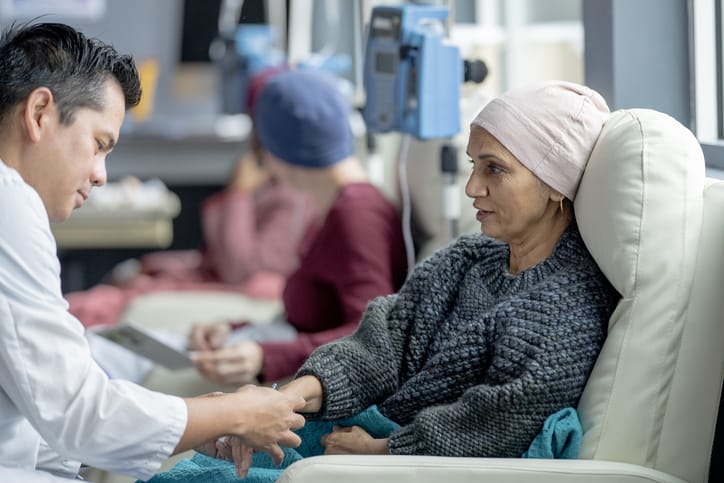
Chemotherapy can be a powerful and life-saving treatment for patients with breast cancer, but it often weakens the immune system at the same time. This happens because many chemotherapy drugs temporarily reduce white blood cells, which are essential for fighting infection.
The good news is there are practical steps you can take to reduce your risk of infection and feel more in control during treatment.
Make hand hygiene non-negotiable
Good hand hygiene is one of the most effective ways to prevent infection. Wash your hands frequently with soap and water for at least 20 seconds, especially before eating, after using the bathroom, after being in public spaces and after touching pets.
Learn more about breast cancer treatment and care
When soap and water aren’t available, alcohol-based hand sanitiser is a useful backup. Encourage people around you to clean their hands too, especially before close contact.
Be smart about food safety
Foodborne illness can be more serious during chemotherapy. A few precautions can reduce the risk, including:
- Avoiding raw or undercooked meat, fish and eggs
- Washing fruits and vegetables thoroughly
- Choosing pasteurised dairy products
- Eating foods while they are still hot, not allowing them to sit at room temperature
- Reheating leftovers until piping hot
If you have any questions about food safety, discuss them with your care team.
Reduce germs around your home
Your home doesn’t need to be completely sterile, but small steps to create a safer environment can help. These include:
- Cleaning frequently touched surfaces regularly
- Avoiding changing cat litter or cleaning up pet waste if possible
- Wearing gloves when gardening or handling soil
- Keeping cuts and scrapes clean and covered
If you enjoy fresh flowers or plants, check with your care team, as soil and standing water can sometimes harbor mold or bacteria.
Manage social contact thoughtfully
Staying connected is important for emotional wellbeing, but it’s wise to set boundaries during treatment. Politely ask friends or family to postpone visits if they feel unwell, have a fever or have recently been exposed to contagious illnesses.
Busy indoor spaces during peak cold and flu seasons can increase risk. Masks, good ventilation and outdoor meet-ups can make socializing safer.
Know the warning signs of infection
Knowing the signs of an infection can help you act fast and get necessary treatment.
Call your medical team immediately if you develop the following symptoms:
- Fever
- Chills or sweating
- Feeling dizzy or lightheaded
- Sore throat or cough
- Burning sensation when urinating
- Unusual redness, swelling or pain
During chemotherapy, a fever can be a medical emergency. It’s always better to call early and be reassured than to wait.
Sign up here to get the latest news, perspectives, and information about breast cancer sent directly to your inbox. Registration is free and only takes a minute.