
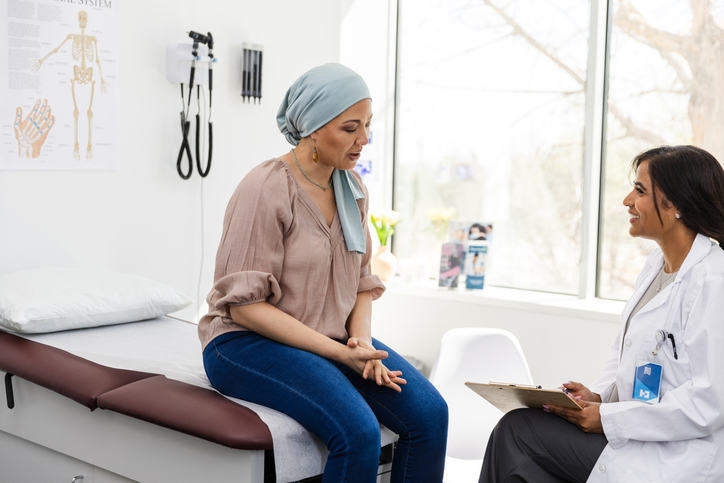
Breast cancer treatment commonly affects sexual health due to factors such as medication side effects, self-image or anxiety.
Talking about the challenges you encounter with your sexual health may feel uncomfortable for some people, but speaking openly about it with your partner and seeking professional help is the best way to begin to heal.
How does breast cancer treatment affect sexual health?
While undergoing treatment for breast cancer, you may notice that your approach to intimacy and sexual relations feels different.
Changes to self-image: You may feel less comfortable with your own body during breast cancer treatment, especially following surgery or if you’ve lost your hair. Feeling confident enough to connect on an intimate level with someone when your body has changed may take time.
Loss of libido: The desire to be intimate can be affected by hormonal changes caused by chemotherapy and hormone therapy. Fatigue and stress also play a role in losing interest in sex.
Vaginal dryness: Treatment with aromatase inhibitors reduce estrogen levels, causing the vaginal tissue to thin. This can make the vagina dryer and can cause discomfort during sex.
Pain during intercourse: Pain may occur during intercourse due to vaginal dryness. You may also experience heightened nerve sensitivity in other parts of the body as a result of radiotherapy or surgery.
Emotional effects: Living with breast cancer affects your emotional well-being, which in turn affects all aspects of daily life. The treatment can create additional anxiety while managing side effects and enduring the fear of recurrence. Depression or emotional stress can lower feelings of intimacy and desire.
How to overcome sexual health challenges
Your healthcare team is accustomed to exploring sexual health challenges related to the physical or emotional effects of your treatment. You may feel embarrassed or uncomfortable discussing these personal topics, but try to set aside your discomfort and remember that your doctors are professionals, and they are used to discussing all bodily functions. Communication with your partner is also key to resuming intimacy.
Talk to your regular therapist: One way to improve your sexual health is by working on your mental health and body image. Easing the emotional impact of your breast cancer journey can have a positive effect on your libido.
Practice self-care: Take care of your body, and nourish it as it goes through this difficult phase. With time, you will become more comfortable with the way your body has changed.
Manage treatment side effects: Talk to your healthcare team about managing fatigue, pain or menopausal symptoms to ease the daily burden.
Use vaginal lubricants: This is an easy way to make intercourse more comfortable. Check with your healthcare team before using any products containing estrogen.
See a sex therapist: Visit a sex therapist who has experience with changes in sexual health due to cancer treatment. You may attend alone or ask your partner to join you.
Sign up here to get the latest news, perspectives, and information about breast cancer sent directly to your inbox. Registration is free and only takes a minute.