
A mastectomy is a major surgical intervention to treat breast cancer or reduce the risk of developing it that includes removing breast tissue. While most operations go smoothly, it is best to be informed about possible post-mastectomy complications just in case and to follow any post-care directions from your doctor.
Early detection and treatment of any complications after the procedure can help ensure there are no long-term negative effects.
Possible post-mastectomy complications
Recovery from a mastectomy includes managing the effects of general anesthesia and closely monitoring the healing process.
Fatigue and feeling weak: This is a common side effect and the duration can vary. If it continues after a few weeks, it is best to check in with your doctor.
Breast soreness or phantom breast pain: This temporary sensation may feel like itching, pins and needles, tingling, pulsing or discomfort. Medication can help.
Blood clots in the legs: Wearing compression stockings and receiving injections of anticoagulants may be required.
Nerve pain: Pain or numbness may occur in the armpit, upper arm, shoulder or chest wall. It’s due to nerve damage during surgery. Medication can help manage the pain.
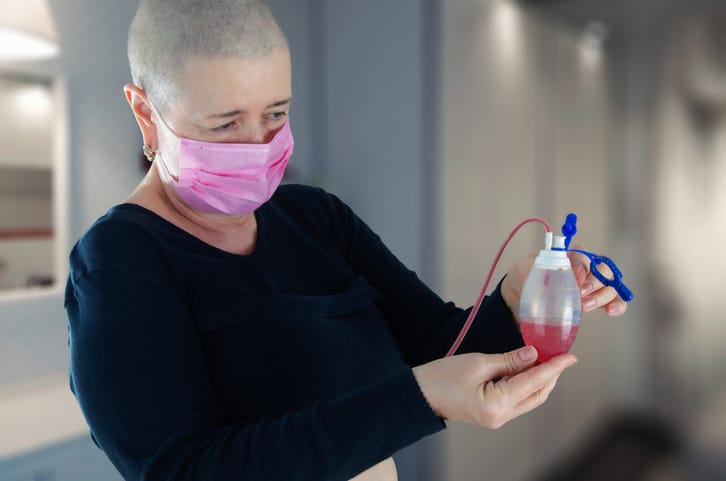
Fluid around the wound: Clear fluid or seroma may collect in the surgical cavity. It may need to be drained with a syringe and a needle.
Bleeding from the wound: This is normal immediately following surgery, but if it continues, notify your doctor.
Infection of the wound: Redness, inflammation, swelling, pain and a fever may indicate an infection. Urgent medical attention is required.
Hematoma around the wound: Bruising may resolve naturally or require medical intervention. Keep an eye on it and inform your doctor of any abnormalities.
Swelling in the arm or shoulder stiffness (if lymph nodes were removed): The inflammation of connective tissue, causing tight bands of scar tissue, can lead to reduced mobility. A physiotherapist can help with massage techniques and stretching exercises.
Depression: Your emotional response to having your breast removed may include depression, changes in body image, anxiety or the feeling that you have lost your sexual identity.
Hardness as the scar tissue forms: A scar will form after the wound hills. The skin can harden and reduce skin flexibility.
Delayed wound healing: Check your incision daily and if it doesn’t look healthy, and especially if it becomes inflamed or doesn’t seem to be closing properly, inform your doctor.
You will receive follow up care from your healthcare team during your recovery phase post-mastectomy. However, it is important that you keep a close eye on your incision site and document any symptoms related to your healing.
Sign up here to get the latest news, perspectives, and information about breast cancer sent directly to your inbox. Registration is free and only takes a minute.