
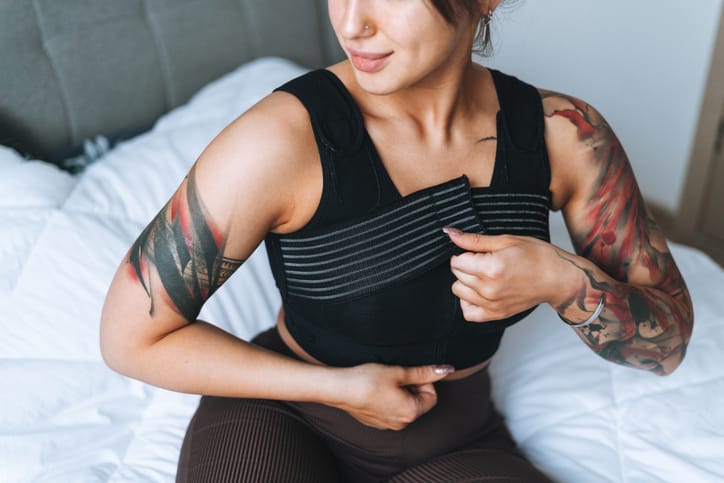
For some people with breast cancer, treatment may involve surgery to remove the lymph nodes under the arm. While this helps doctors determine whether cancer has spread, it can increase the risk of developing lymphedema. This condition occurs when lymph fluid builds up in tissues, causing swelling in the arm, hand, breast or chest.
Not everyone who has lymph nodes removed will develop lymphedema, but certain factors, including radiation therapy, infection or higher body weight can increase the risk. Lymphedema can occur any time after removal or radiation to the lymph nodes, but there are things you can do to help prevent it.
Know the early signs of lymphedema
Recognizing symptoms of lymphedema early can help prevent swelling from worsening. Early signs may include:
- Swelling in the arm, hand, breast or chest
- A feeling of heaviness or tightness
- Thickened skin
- Weakness in the arm
- Rings, sleeves or watches feeling tighter than usual
- Problems bending joints like fingers, wrist, elbow or shoulder
If you notice any of these changes, it’s important to tell your healthcare provider. Early treatment can often help control symptoms and prevent it from getting worse.
Learn more about breast cancer prognosis
Protect your skin and arm
Because the lymphatic system helps fight infection, injuries to the affected arm can increase the risk of swelling. Taking simple precautions can help reduce this risk.
Precautions include:
- Keeping skin clean and moisturized to prevent cracks
- Wearing gloves when gardening or doing household chores
- Using insect repellent and sunscreen outdoors
- Cleaning and treating cuts or scrapes promptly
- Asking for injections, blood draws and blood pressure checks to be performed on the unaffected arm
- Using a clean razor when shaving, especially the underarm area
Avoiding tight clothing or jewelry on the affected arm may also help maintain healthy lymph flow.
Stay active and maintain a healthy weight
Gentle movement helps lymph fluid circulate through the body. After surgery, most people can gradually return to physical activity once their doctor approves. Walking, stretching, yoga and light strength training can all support recovery and lymphatic health. A physical therapist trained in cancer rehabilitation can help you create a safe exercise plan.
Maintaining a healthy weight may also help reduce the risk of lymphedema, as excess body weight is linked to a higher likelihood of developing the condition.
Finally, reducing your intake of salt, which can make you retain fluids, and staying hydrated throughout the day can help prevent swelling.
Sign up here to get the latest news, perspectives, and information about breast cancer sent directly to your inbox. Registration is free and only takes a minute.