
While it is important to diagnose and treat breast cancer as soon and aggressively as possible, it is also essential that this treatment doesn’t cause permanent organ damage.
Regular checkups and progress reports can help your doctor assess the health of your heart, lungs, bones and nervous system. Your healthcare team may also recommend imaging and blood tests at every new stage of treatment to tailor your care to your individual cancer, its type and stage, as well as your age and overall health status.
Balancing treatment needs with long-term organ health
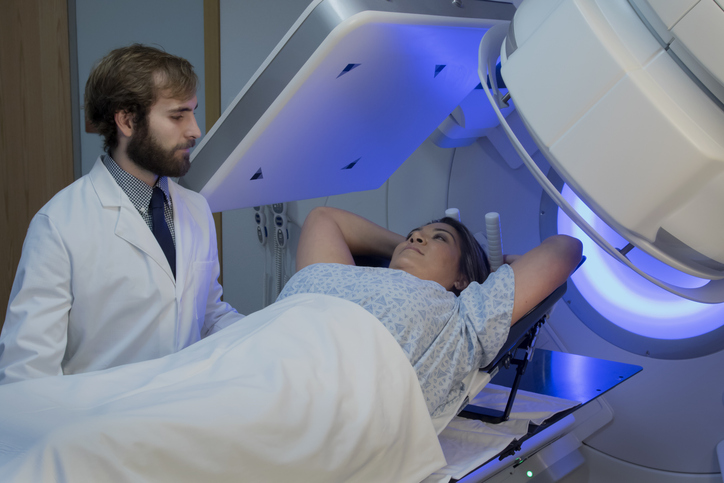
When planning your treatment protocol, your doctor will assess a range of factors specific to your situation. For example, before deciding to use radiation therapy as part of your treatment protocol (usually after surgery or a combination of surgery and chemotherapy), your doctor will take time to decide the appropriate radiation type, dose and schedule.
By analyzing your latest CT scan or using infrared mapping, your doctor can map out the treatment zone and simulate the radiation therapy to ensure the best treatment outcomes and organ protection.
Learn more about breast cancer treatment and care
Which organs are at risk during breast cancer treatment?
In breast cancer treatment, the heart, lungs, bone and nerves are most often at risk. Before treatment commences, comprehensive blood tests and imaging of these organs will act as a baseline for comparison during or after treatment. If your doctor notices any changes or damage to these organs, they will likely modify or stop treatment to prevent long-term damage.
Heart health: Heart health may be affected by some chemotherapy drugs and targeted therapies. Heart function is tested before and during treatment. Extra care is taken in left-side breast cancers. Treatment dose and schedule will be modified if there are any signs of damage. Any symptoms of shortness of breath, nausea or chest discomfort must be reported immediately.
Bone health: Hormone therapy can cause bone weakness. Bone scans will monitor for any changes. Taking calcium, vitamin D, being physically active and eating a healthy diet can help protect your bones.
Lung health: Radiation therapy is often scheduled in a way that helps protect the lungs. High-definition imaging will monitor for any damage.
Nerve health: Some chemotherapy and immunotherapy drugs can damage the nerves, particularly in the fingers and feet. If a patient reports any damage to the nerves, treatment will be paused or stopped if it becomes too severe.
New approaches to protecting organ health
Breast cancer treatment has become more precise in recent years as a result of advancements in technology.
Tumor detection and monitoring using digital mammography allows for earlier cancer detection and lower radiation doses.
Infrared mapping before radiation therapy ensures precise targeting of the treatment zone, protecting healthy surrounding tissue and organs.
MRI and 3D imaging and treatment by radiation therapy using Intensity-Modulated Radiation Therapy (IMRT) and Proton Therapy can more precisely target the tumor, with a reduced risk of impacting healthy tissue or organs.
Targeted chemotherapy and immunotherapy directs the toxic chemicals at the tumor, protecting surrounding tissue and organs.